Skip to content
SHETUREALTY
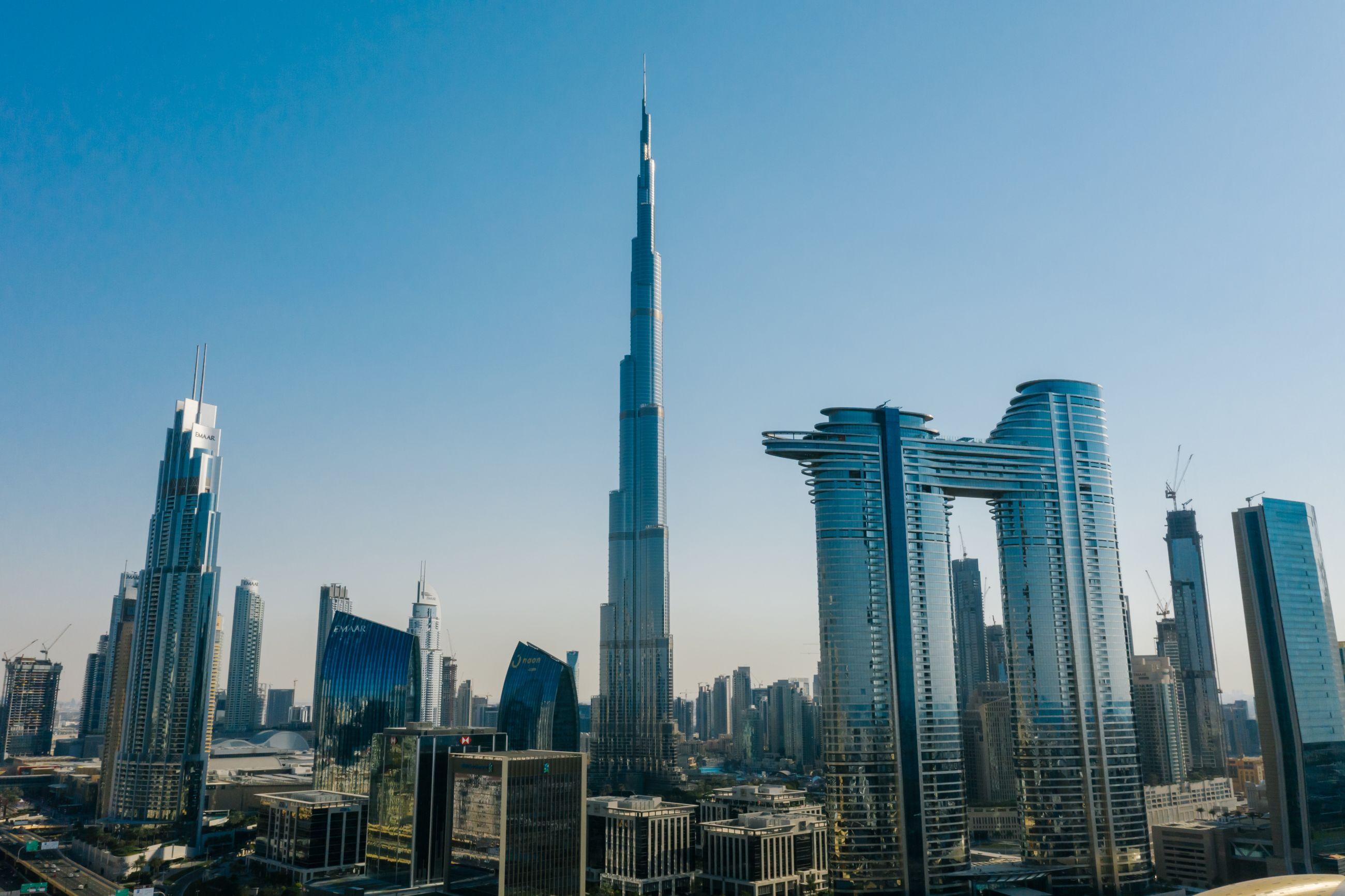
The Burj Khalifa and neighboring towers against a clear sky

The Buyer's Guide

Buying in Dubai, from North America.

Everything an American or Canadian buyer should understand before purchasing property in Dubai — written plainly, in nine short chapters.

01Chapter one

Yes, you can own it outright

Dubai opened its property market to foreign buyers in 2002. Today, non-residents of any nationality can buy freehold property in designated areas across the city — the same full, permanent title a local owner holds.

Your ownership is recorded by the Dubai Land Department (DLD), the government body that maintains the property register and issues title deeds. You do not need a UAE residency visa, a local partner or a local company to buy a home.

  • Buy in your own name, jointly with a spouse or partner, or through a suitable company structure.
  • Freehold areas include most communities popular with international buyers — Downtown, the Palm, Dubai Marina, Business Bay and many more.
  • A valid passport is the core document for an individual purchase; expect standard identity and source-of-funds checks.

02Chapter two

Off-plan or ready: two different purchases

Dubai has two distinct markets, and the right one depends on what you want the property to do.

Off-plan (from a developer)Ready (the resale market)
Bought before or during constructionCompleted — live in it or lease it immediately
Staged payment plan, often continuing to handoverFull price due at transfer, in cash or with a mortgage
Payments go into a regulated project escrow accountYou see exactly what you are buying
Registered at purchase; title deed issued on completionTitle deed issued at transfer
Outcome depends on the developer delivering as promisedOutcome depends on the building, its condition and its management

Neither is inherently better. Off-plan can offer newer product and gentler cash flow; ready property offers certainty and immediate income. We lay out both with real figures before you choose.

03Chapter three

What it actually costs to buy

Dubai's purchase costs are simple by North American standards. Budget for the following on top of the price; exact amounts are confirmed at the time of your transaction.

CostWhat to expect
DLD transfer fee4% of the purchase price — the principal government charge
Registration & trustee feesFixed administrative fees, modest relative to the price
Agency commissionCustomarily 2% on resale purchases; on off-plan it is typically paid by the developer
Mortgage costs (if financing)Bank arrangement and valuation fees, plus a mortgage registration fee
Annual service chargesPaid to the building or community for upkeep; varies by property

There is no annual property tax in Dubai. Fees and regulations are set by the authorities and can change — we provide an itemized estimate for your specific purchase before you commit.

04Chapter four

Paying for it: cash, plans and mortgages

Most overseas buyers pay in cash or follow a developer's payment plan. Financing is available, though, and it can make sense.

  • Non-resident mortgages are offered by a number of UAE banks, usually at lower loan-to-value ratios than residents receive — plan for a substantial down payment.
  • Developer payment plans spread an off-plan purchase across construction, and sometimes beyond handover, without bank involvement.
  • Funds are typically sent by international wire. Because the dirham is pegged to the dollar, U.S. buyers know what each installment will cost.

We can introduce you to mortgage advisors and banks experienced with American and Canadian income documentation.

05Chapter five

Currency and moving money

The UAE dirham (AED) is pegged to the U.S. dollar at a rate of 3.6725, a peg in place since 1997. For a dollar-based buyer, that removes the largest hidden risk of buying abroad: currency drift between purchase and sale.

  • The UAE imposes no restrictions on repatriating rental income, sale proceeds or capital.
  • Banks and developers will ask for source-of-funds documentation — routine anti-money-laundering compliance.
  • Canadian buyers effectively take on U.S.-dollar exposure rather than exposure to an independent currency.

06Chapter six

Tax: there, and back home

In the UAE, individual property owners pay no personal income tax on rent, no capital gains tax on sale and no annual property tax. That is the headline — and it's accurate.

The other half of the picture is your home country, and we would rather you hear it from us first:

  • United States: citizens and residents are taxed on worldwide income. Rental income and gains from a Dubai property are reportable, and foreign bank accounts may carry their own reporting requirements.
  • Canada: residents are taxed on worldwide income, and foreign investment property above the reporting threshold must generally be disclosed.
  • Commercial property in the UAE is subject to VAT, and corporate ownership structures have their own considerations.

This is general information, not tax advice. Speak with a qualified cross-border tax advisor before you buy — we're glad to work alongside yours.

07Chapter seven

Residency and the Golden Visa

Property ownership can open a path to UAE residency. The best-known route is the Golden Visa: a ten-year, renewable residency available to investors holding property valued at AED 2 million or more (about USD 545,000).

  • You can sponsor your spouse and children.
  • You are not required to live in the UAE full-time to keep it.
  • Residency does not, by itself, change your tax position at home.

Eligibility rules are set by the UAE government and are updated from time to time. We confirm the current criteria for your situation and coordinate the application with licensed specialists.

08Chapter eight

Buying without being there

A great many Dubai purchases are completed by buyers who are thousands of miles away. The process is built for it.

  • Live video viewings with your advisor on site, covering the building, the view, the finish and the neighborhood.
  • Electronic signing for reservations and developer contracts.
  • A power of attorney — notarized at home and attested for use in the UAE — so a representative can attend the transfer on your behalf.
  • A title deed issued in your name by the Dubai Land Department.

Many clients still choose to visit once before completing. We build a focused itinerary so that two or three days in Dubai tell you everything you need to know.

09Chapter nine

After the keys

Owning from abroad only works if the property is properly looked after. Before you buy, decide how it will be used:

  • Long-term leasing — annual tenancies, registered through Dubai's Ejari system.
  • Short-term holiday letting — permitted with the appropriate licence, typically through a professional operator.
  • Personal use — a home kept ready for your own visits, with periodic management.

We help you plan this from the outset and introduce management, furnishing and maintenance partners suited to the property.

This guide is general information for prospective buyers and is not legal, tax, immigration or financial advice. Laws, fees and visa criteria are set by the relevant UAE, U.S. and Canadian authorities and change over time. Please confirm current requirements and consult qualified professionals before you buy.

Private consultation

Questions the guide didn’t answer?

Every purchase has its own details. Bring yours to a private consultation and we'll work through them together.

Chat with us